
25% off on product page · save $4.00
100 Effective Coping Skills for Stress and Everyday Life
Effective coping skills help you respond to stress without making the situation harder. Different tools work for different moments: some settle your body, some help you process feelings, and others help you take a useful next step. Choose a few to practice when you feel calm so they are easier to use when you need them.

Start with a physical skill when stress feels intense or distracting. Try one for two minutes, then notice whether your breathing, muscles, or attention has shifted. Lengthen your exhales; 3. Relax your shoulders; 4. Unclench your jaw; 5. Take a walk; 7. Wash your face; 9. Hold a cool cloth; 10. Rest your eyes; 11. Eat a snack; 12. Practice progressive muscle relaxation; 14. Do gentle yoga; 15. Shake out your hands; 17. Sit in sunlight; 18.
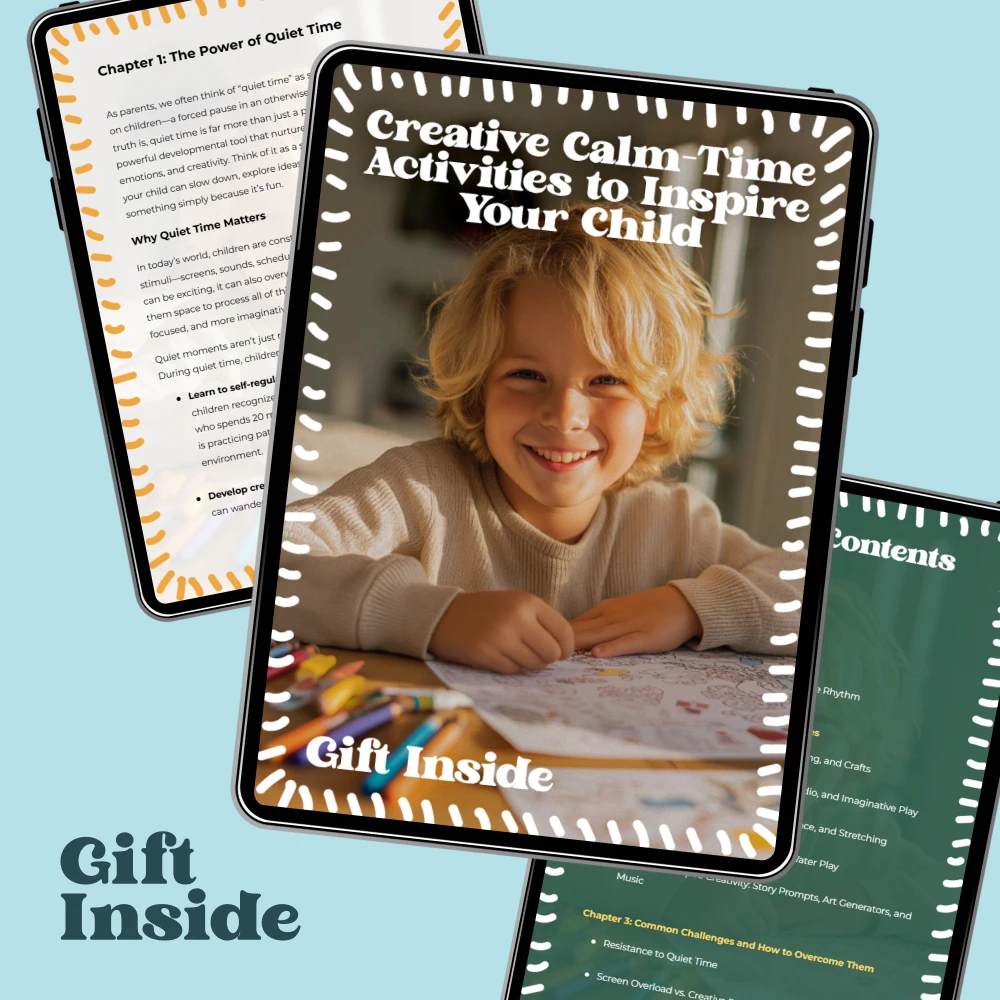
Featured in this guide
Creative Calm-Time Activities to Inspire Your Child | A Practical Guide to Creative Quiet Time Activities for Kids | Screen-Free Calm, Focus & Imagination
Grounding gives your attention a specific place to land when thoughts are racing. Use what is available around you; no special supplies are required. Name five things you see; 22. Notice four textures; 23. Identify three sounds; 24. Find two scents; 25. Notice one taste; 26. Describe the room; 28. Feel your feet on the floor; 29. Trace your hand; 30. Name nearby colors; 31. Hold a smooth stone; 32. Listen to rain; 33.
Putting feelings into words or creative work can make them easier to understand. Pick a private format if you are not ready to share. Name your emotion; 42. Draw your mood; 44. Write a poem; 47. Make a playlist; 48. Play an instrument; 50. Talk to a friend; 51. Record a voice note; 52. Write an unsent letter; 53. Make a collage; 54. List your worries; 57. Write down needs; 58. Cry if needed; 59.
Practical action can reduce stress when a problem is within your control. Keep the first step small enough to finish in about ten minutes. Break down a task; 62. Make a checklist; 63. Set a timer; 64. Tidy one surface; 65. Ask for help; 66. Set a boundary; 68. Reschedule a commitment; 69. Prepare tomorrow’s clothes; 70. Plan a meal; 71. Organize your bag; 72. Pay one bill; 73. Take a screen break; 74.
Comfort and connection matter, even when they do not solve the underlying problem. For more gentle ideas to try with children, explore these creative calm-time activities for kids . Call someone supportive; 82. Spend time with a pet; 83. Read for pleasure; 84. Work on a puzzle; 85. Bake something simple; 86. Visit a library; 88. Enjoy a hobby; 89. Watch a comforting show; 90. Share a meal; 91. Offer a kind gesture; 92. Laugh with a friend; 94. Sit in a quiet space; 95.
For the full product context, see the main Obsessian guide.
Yes. The 100 skills above include breathing, grounding, creative expression, practical problem-solving, rest, and social support, so you can choose an approach that fits the moment.
Skills 1 through 99 above are 99 positive coping skills, from slow breathing to reaching out to a counselor. Skill 100 adds a useful reminder: return to a strategy that has worked for you before.

Leave a comment