
What Is the Cheapest House Pet to Own? Care Costs

A small invertebrate, such as a terrestrial snail or a colony of isopods, can be among the least expensive house pets because it generally needs less space and food than a dog, cat, or rabbit. There is no single cheapest pet for every home, though: the enclosure, suitable conditions, food, and availability of appropriate veterinary care all affect what you spend.
Check the product’s listed specifications when evaluating which house pet usually costs the least.
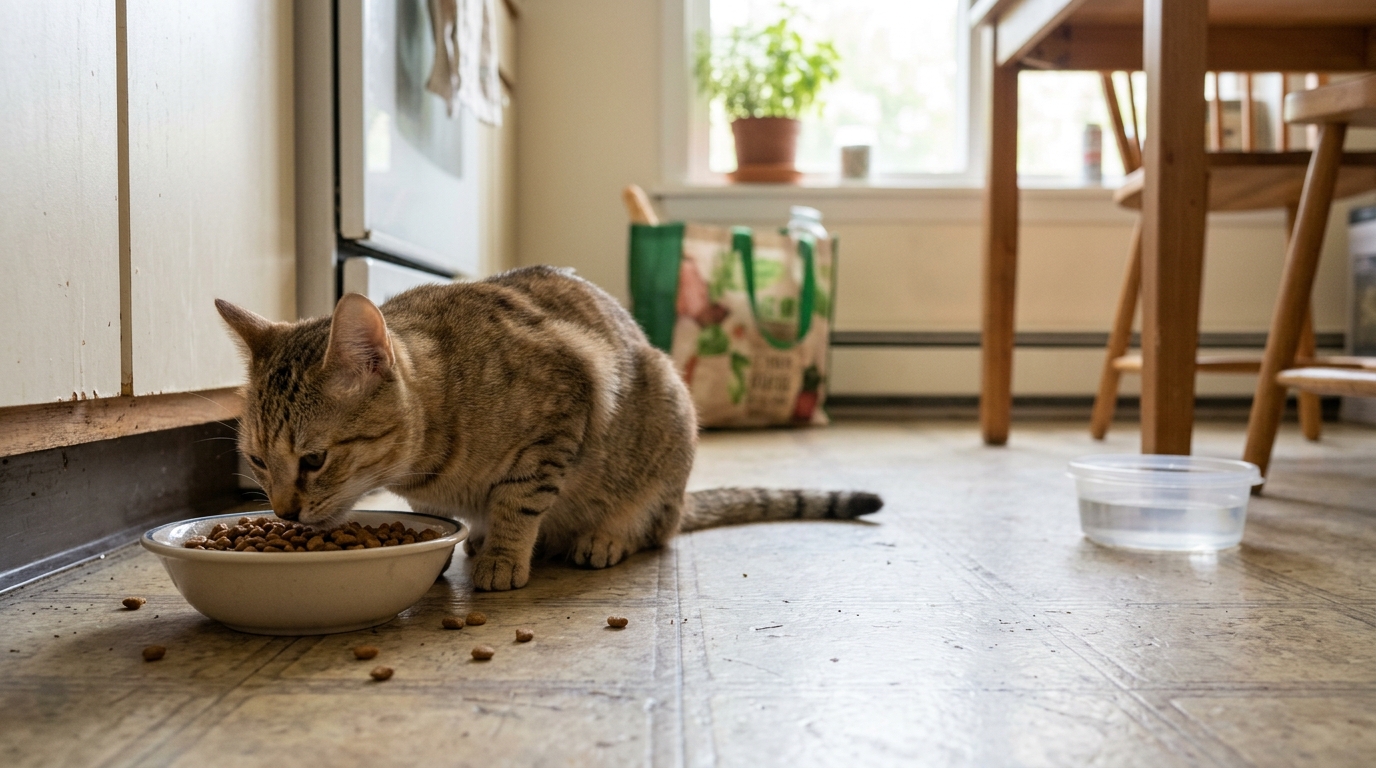
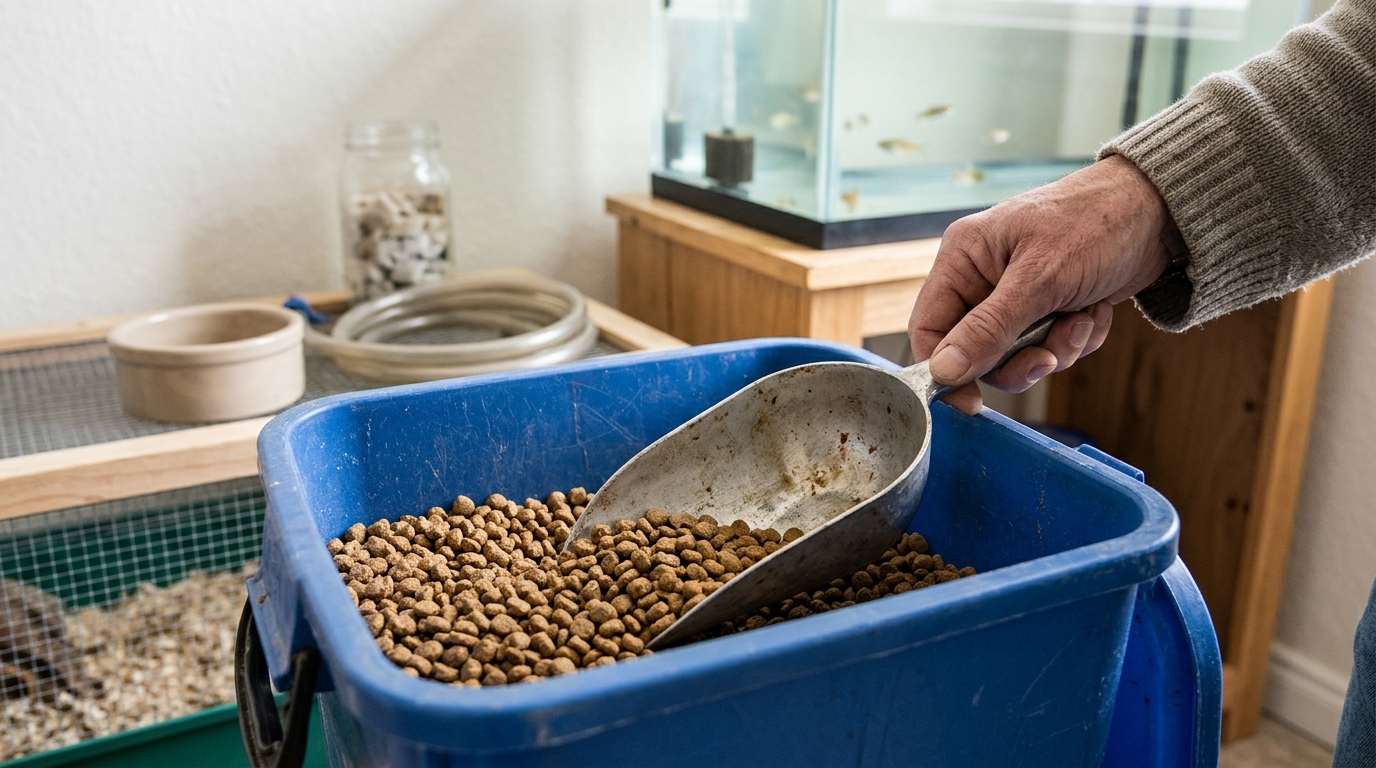
Before choosing a pet, add up the enclosure, bedding or substrate, food, cleaning supplies, and any equipment needed to maintain the right temperature and humidity, then consider the cost of replacing supplies over the animal’s lifetime. A fish may seem inexpensive to buy, for example, but an appropriately sized aquarium, filter, water conditioner, and water-testing supplies can make its setup more costly than you expect.
Featured in this guide
A Home Where Every Pet Has Its Own Place: Practical Pet Zones Ideas for Calmer, Happier Homes – eBook Guide
If you want a quiet pet to observe rather than handle, an invertebrate may be a practical fit, provided you are comfortable maintaining its enclosure and learning its species-specific needs. Small mammals can be engaging companions, but their need for adequate space, enrichment, appropriate food, and veterinary care means you should not assume they will be cheaper simply because they are small.
Check the product’s listed specifications when evaluating choose a pet that fits your home.
We recommend setting aside a stable location for the enclosure, away from direct sun, drafts, and other pets that might disturb it, while leaving enough room for you to clean and maintain it comfortably. For ideas on organizing a shared home, our practical pet zones guide introduces A Home Where Every Pet Has Its Own Place: Practical Pet Zones Ideas for Calmer, Happier Homes, our eBook guide.
A terrestrial snail or isopod colony may be inexpensive to maintain when its enclosure and environmental needs are manageable. Compare the full setup and ongoing care costs before deciding, and choose a species you can care for throughout its life.
The 3-3-3 rule is a rough guide often used for newly adopted dogs: the first three days may involve settling in, the first three weeks may bring more familiarity, and the first three months may allow a routine to develop. Every animal adjusts differently, so give your pet a quiet space, a predictable routine, and patience rather than treating those timeframes as deadlines.



Leave a comment