80% off on product page · save $8.48
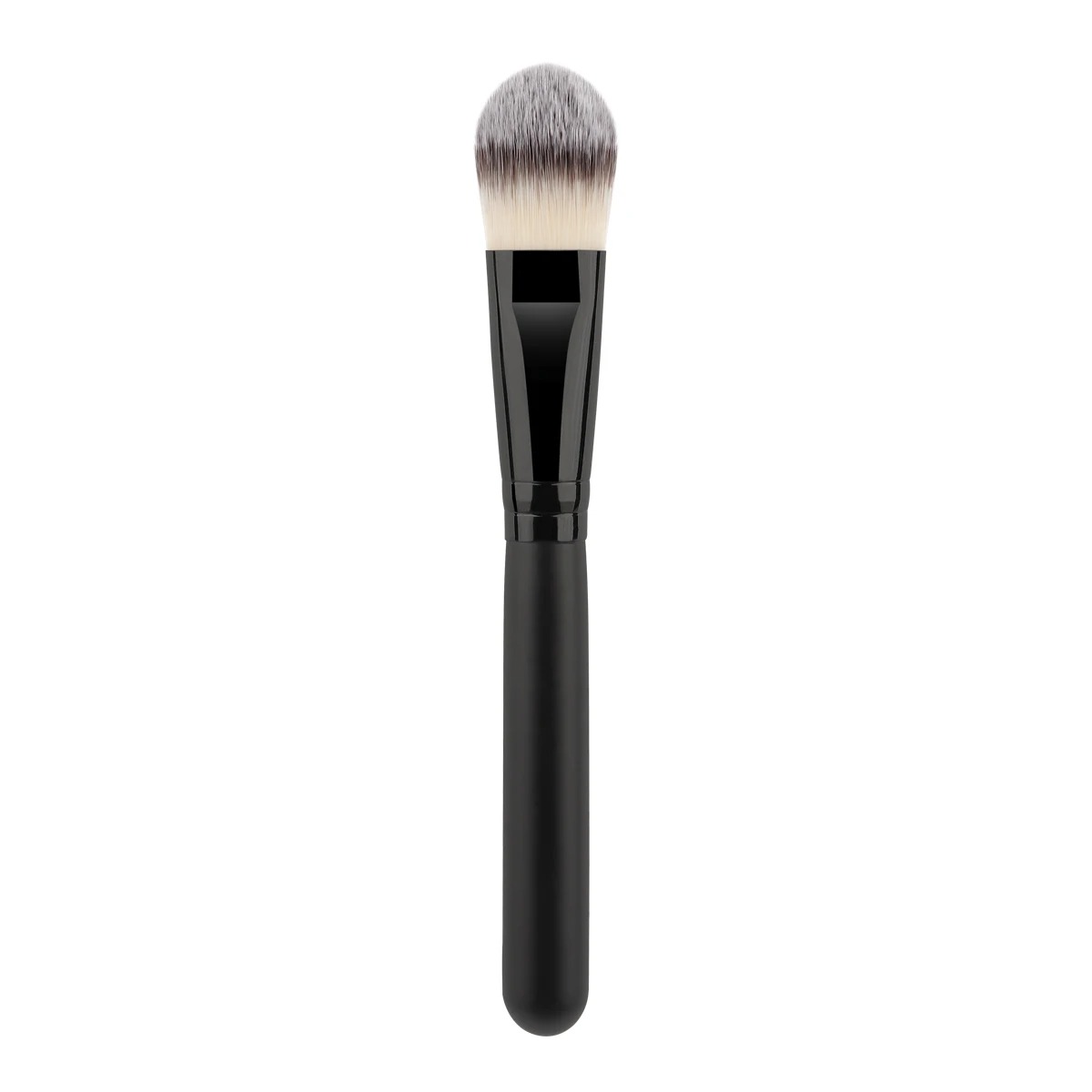
Ultra-Thin Foundation Brush: Tips for a Smooth Finish
Price and availability may change, so take a look at the product page for current details.
A foundation brush can give you control over where you place makeup, making it useful when you want to focus coverage on specific areas. The way your foundation looks will also depend on your skin preparation, the formula you choose, and how much product you apply.
Start with a clean face and your usual moisturizer. Once your skin feels ready for makeup, dispense a small amount of foundation. You can always add more, but starting light makes it easier to control coverage.
Place a little product near the center of your face, where you may want more coverage, and work outward. Use light strokes to spread the foundation, or gently press it into the skin if that works better for your formula. Blend a little at a time rather than trying to cover your entire face in one pass.
Pay attention to the sides of your nose, along your jawline, and near your hairline. These areas can collect excess product or show an obvious edge. Use whatever remains on your tool to soften the transition, and check your application in natural light when possible.
Different formulas behave differently. A quick-setting foundation may be easier to blend one section at a time, while another formula may give you more time to work. Follow the foundation’s directions and adjust your strokes or pressing technique until the finish looks even to you.
Featured in this guide
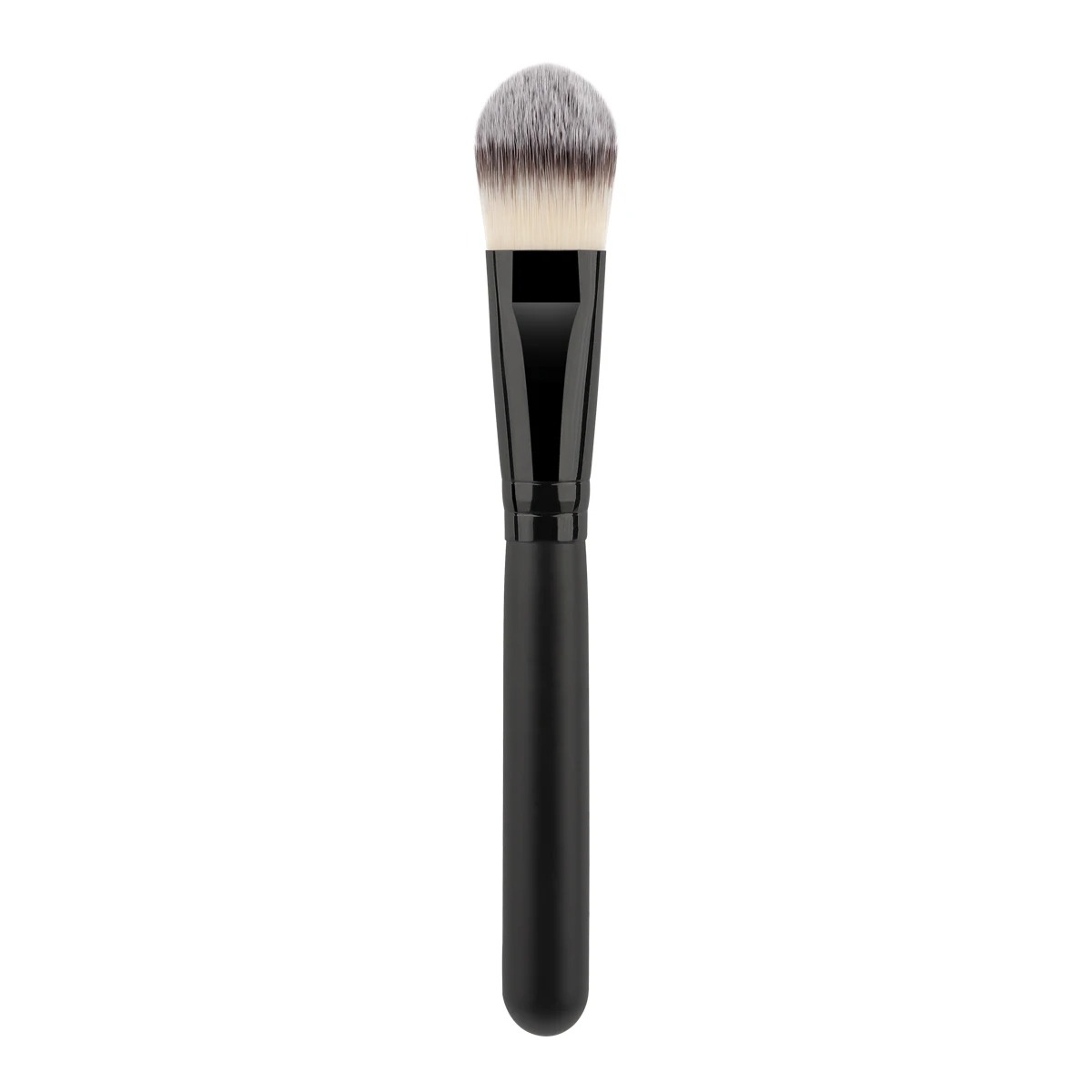
Ultra-Thin Foundation Brush
There’s no single tool that works best for everyone. Your choice depends on the foundation formula, the amount of coverage you like, and how you prefer to apply makeup. Dense brushes are often used with liquid foundation, while fluffy brushes are commonly used to distribute powder. A damp sponge can create a softer finish, depending on your technique and formula.
Foundation Tool Comparison
| Tool | Common use | Technique tip |
|---|---|---|
| Dense foundation brush | Liquid foundation | Start with a small amount and blend in light layers. |
| Fluffy powder brush | Powder foundation | Tap off excess powder before applying. |
| Damp makeup sponge | Liquid foundation | Press gently to blend and build coverage. |
If you use a sponge, dampen it and squeeze out excess water before applying foundation. For powder, pick up a little product at a time and tap off the excess. You can also use different tools at different stages, such as applying foundation with a brush and softening an edge with a sponge.
Begin with moisturizer and allow it to settle before applying makeup. This gives you a comfortable starting point and helps prevent you from rushing foundation over freshly applied skin care.
Use thin layers and blend gently, adding coverage only where you want it. If makeup gathers around expression lines or textured areas, try using less product there and pressing lightly to blend. A heavy application isn’t necessary for a finished look.
A brush and a sponge can both work on mature skin. Choose according to your preference, foundation formula, and desired finish rather than a universal rule. Our team recommends experimenting with a small amount first so you can see how the combination wears on your skin.
Wash your makeup brushes regularly with gentle soap and water, rinse thoroughly, and let them dry completely before using them again. Keep the brush head angled downward while rinsing, and lay the brush flat to dry with the bristles over the edge of a counter.
For more detailed cleaning advice, see the American Academy of Dermatology’s guidance on cleaning makeup brushes. A clean tool is a simple part of a consistent makeup routine.
The Waterproof Travel Cosmetic Bag for Women, Drawstring Makeup Organizer works alongside the cleaning kit and keeps small car items in designated pockets instead of loose on the seat.
1
Store the brush where it stays dry and reachable
2
Match the brush attachment to the seat or carpet surface
3
Run the brush slowly across upholstery seams and floor edges
4
Empty and recharge the brush after the tips smooth check
A dense foundation brush is a common choice for liquid formulas. The best shape and technique depend on the coverage and finish you want.
The best brush depends on your foundation and preferred finish. Dense brushes are often used for liquid formulas, while fluffy brushes are commonly used for powder.
The best foundation brush for mature skin is a soft, densely packed synthetic brush that spreads product in a thin, even layer without tugging. A rounded or slightly angled head offers enough control to blend around the nose and mouth while staying gentle on areas with fine lines.





Leave a comment