50% off on product page · save $8.99
Examples of Dangerous Things and How to Stay Safe
Something is dangerous when it can cause harm, especially when the risk is easy to miss or hard to control. A sharp knife, an icy sidewalk, and an unsecured bookshelf are different kinds of hazards, but each calls for a practical precaution. We find it useful to ask two questions: What could go wrong, and what would reduce the chance or severity of harm?
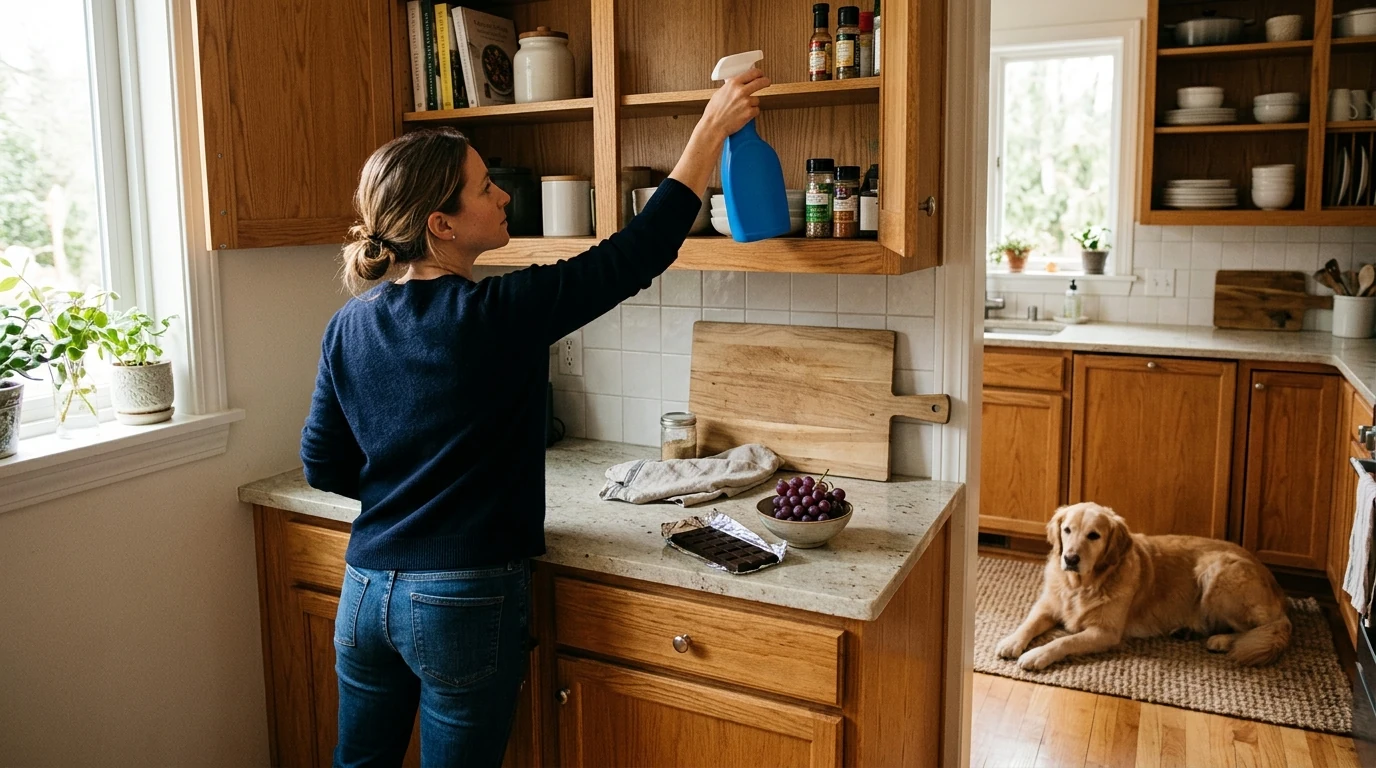
Knives, medications, cleaning products, batteries, and electrical cords are common examples. A product can be useful and still be dangerous when it is stored poorly or used for the wrong task. Keep chemicals in their original containers, store medicines out of children’s reach, and replace cords with damaged insulation rather than covering exposed wire with tape.
Featured in this guide
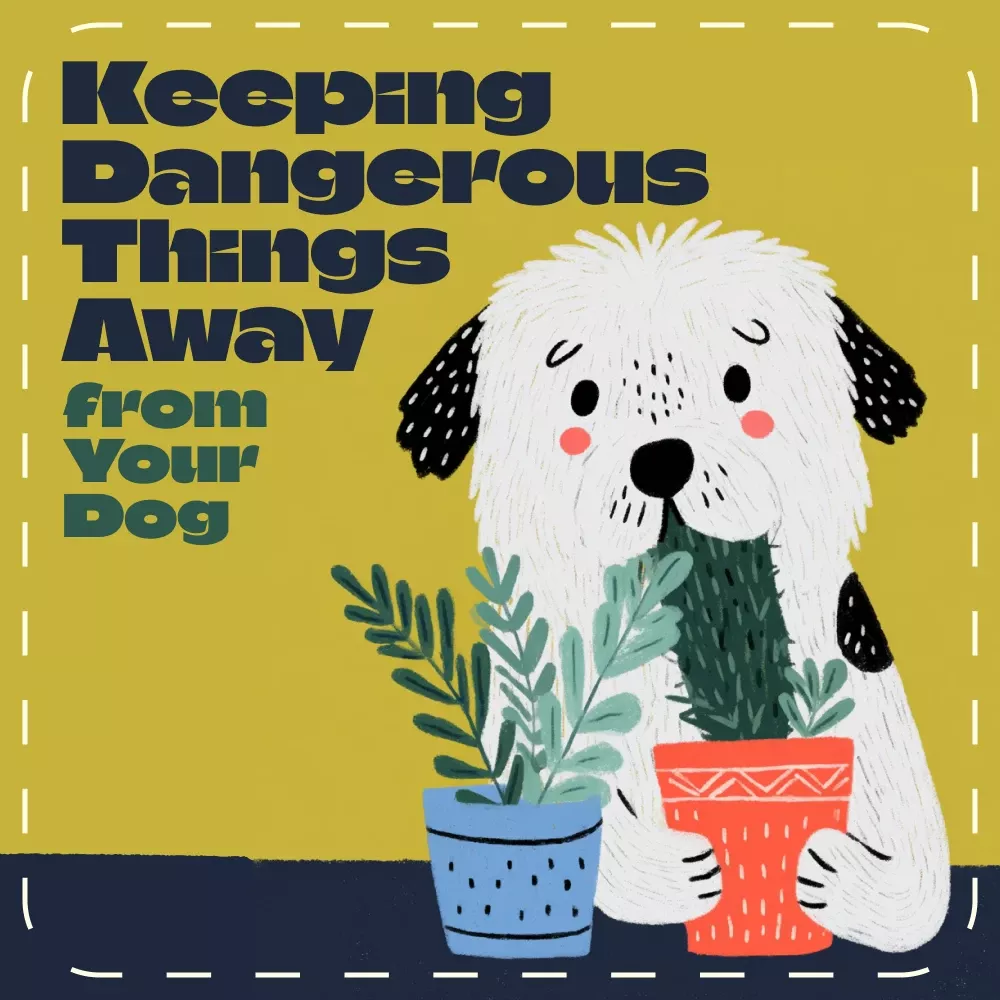
The Guide to Keeping Dangerous Things Away from Your Dog | Digital Pet Safety Guide for Responsible Dog Owners | Learn What to Keep Away from Dogs
Traffic, deep or moving water, extreme heat, and severe weather can change faster than you expect. Distraction or poor visibility makes each situation harder to manage. Before you cross a street, enter water, or head out in bad weather, pause to assess conditions and choose a safer route or activity when needed.
Start with the person who will use an item and the setting where it will be used. Age guidance, weight limits, protective equipment, and compatibility with an outlet or appliance all matter. Our team favors simple habits you can repeat: follow the manufacturer’s instructions, secure items that could tip, and keep emergency exits clear. For a broader set of examples, visit our guide to dangerous things.
Watch · product page video
“This guide is a must-have for every dog owner! It’s comprehensive, practical and covers both indoor and outdoor dangers. I now feel confident that my home is safe for my pup. 🐾”
Obsessian product page · Product review
Examples include exposed electrical wires, loose button batteries, unsecured firearms, and improperly stored chemicals. Each can cause serious harm, so appropriate storage and handling matter.
Driving in a storm, swimming in a strong current, and standing beneath an unstable tree are dangerous situations. The safest response may be to leave, delay the activity, or get qualified help.
Words such as “poison,” “flammable,” “high voltage,” and “do not mix” signal specific hazards on labels and signs. Treat them as instructions to stop and read the full warning before you act.
A slick floor is dangerous because you could fall; a hot stove is dangerous because it can burn you. “Dangerous” describes the potential for harm, not a guarantee that harm will occur.
Jordan Peterson has argued that children benefit from taking manageable risks while learning to judge their abilities. That does not mean leaving children with uncontrolled hazards; choose age-appropriate challenges and provide supervision.




Leave a comment