62% off on product page · save $36.98
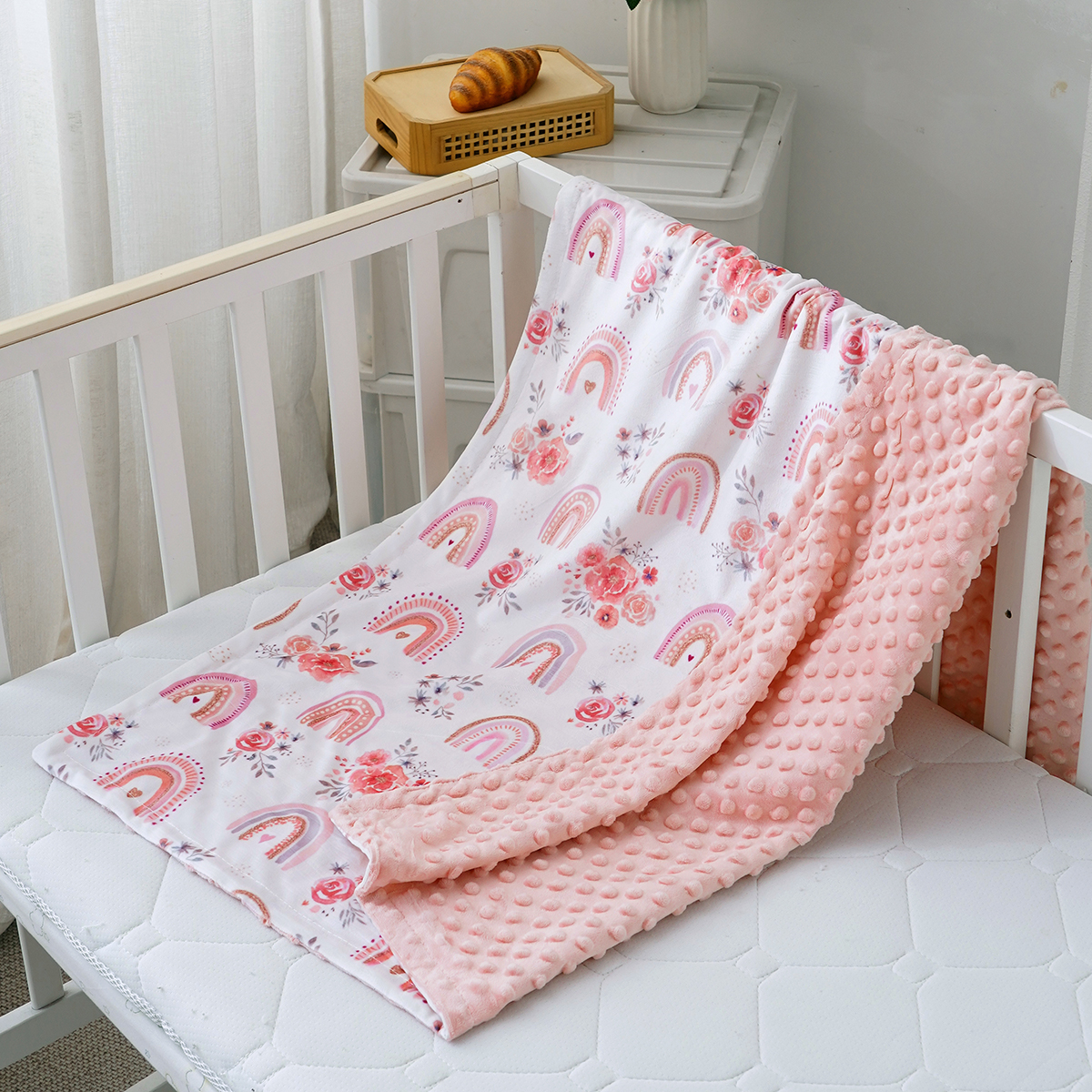
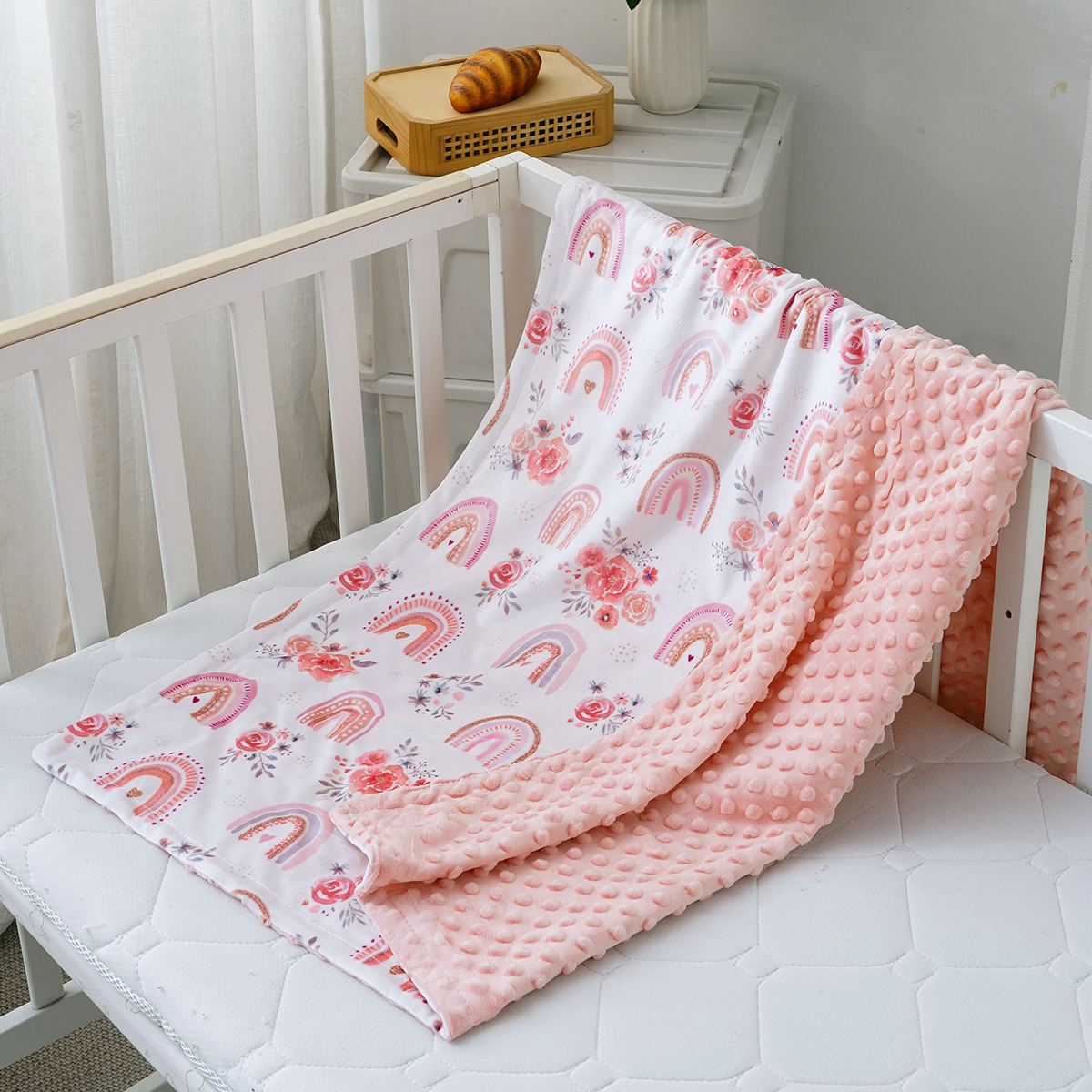
2-Layer Baby Quilt: Comfort for Awake Moments
However it is arranged, keep fabric away from the baby’s face and make sure it cannot obstruct breathing. While feeding, check that the quilt has not shifted toward the baby’s nose or mouth. In a stroller, position it so it stays clear of the face as the baby moves, and check regularly rather than assuming the layer will stay put.
The product name identifies it as a two-layer quilt, but it does not establish its fabric composition, measurements, care requirements, or suitability for a particular temperature. Those details are worth confirming before buying, especially if you have a specific use in mind.
Weather, clothing and the move from outdoors to indoors can all change how much coverage a baby needs. Treat the quilt as an adjustable layer, not one that must stay in place for an entire outing.
Feel the baby’s chest or the back of the neck to check comfort. If the baby feels hot, is sweating or has flushed skin, adjust or remove a layer and check again. Remove outdoor layers after coming inside.
Featured in this guide
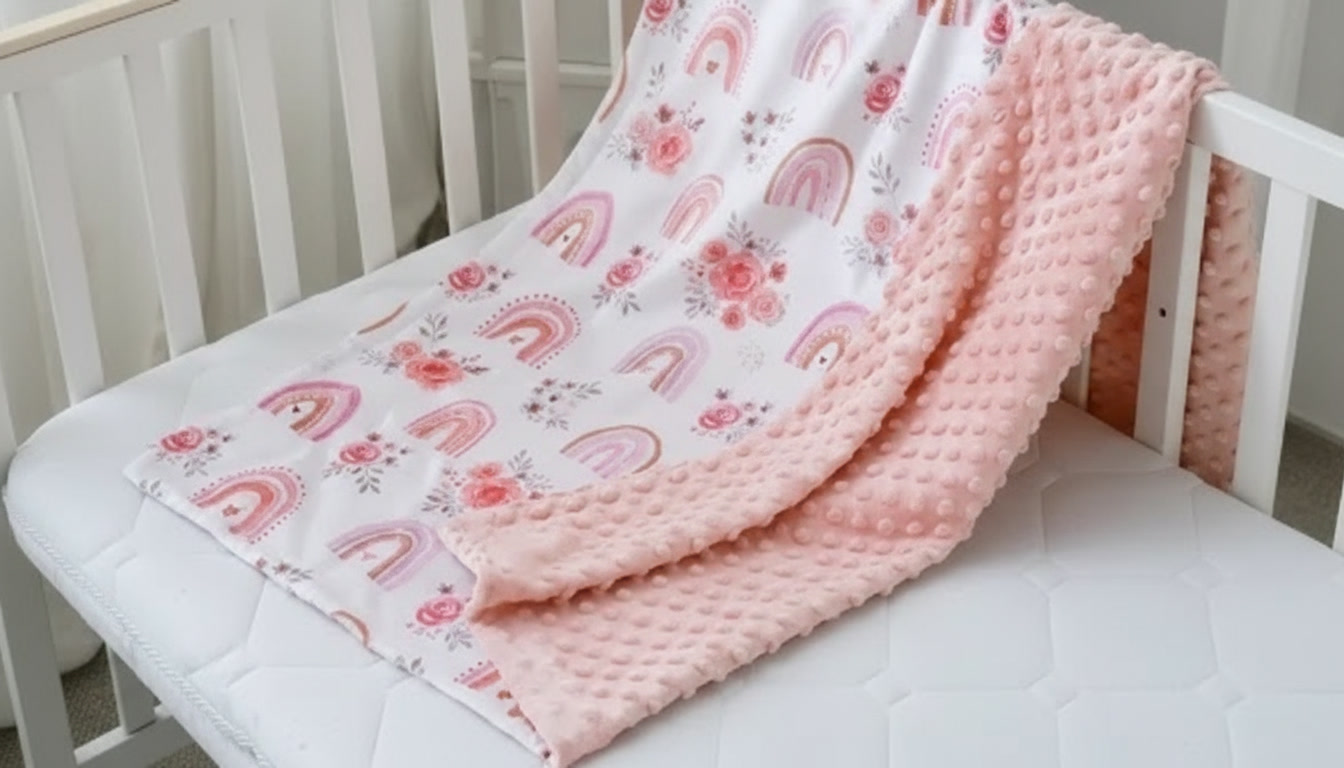
2-Layer Warm Baby Quilt – Soft & Cozy Swaddle Wrap Blanket for Newborns
For every sleep, place babies on their backs on a firm, flat sleep surface. Keep loose blankets, quilts, pillows, and other soft items out of the crib or bassinet. The American Academy of Pediatrics’ safe-sleep guidance and the CDC’s infant safe-sleep guidance both emphasize a clear sleep space.
A supervised wrap is not a substitute for fitted sleep clothing. If a baby falls asleep while wrapped in a loose quilt, move them to an appropriate sleep space without the quilt. If you use a swaddle intended for infant sleep, stop swaddling as soon as the baby shows signs of trying to roll. Do not treat a loose quilt as a sleep swaddle, regardless of the word “swaddle” in a product name.
This distinction can be easy to overlook during everyday routines: an adult may start with a cuddle, then notice the baby drifting off. Having suitable sleep clothing ready makes it easier to switch from supervised comfort to a clear, uncluttered sleep space.
Confirm the quilt’s size, fabric, care instructions and any manufacturer age guidance on the product page before deciding whether it suits your routine. The two-layer name alone does not establish those details or suitability for a particular temperature.
For feeding-area cleanup, the Premium Checkered Kitchen Cleaning Cloths – Absorbent & Reusable Towels are a separate household option—not baby wraps or sleep items.
Before choosing, compare the product details with your daily routine, available space, care needs, and preferred setup. The strongest option is usually the one that fits the intended use clearly and remains simple to clean, store, and check before repeat use.
It is also worth checking measurements, material notes, included parts, and compatibility details so the item matches the way it will be used after delivery.
Think of three layers as a possible starting point, not a fixed rule for newborns. Adjust clothing to the conditions, check the baby’s chest or neck for comfort, and remove outdoor layers once indoors to help prevent overheating.
Clothing, blankets, or a warm room can make a baby feel warm; use an appropriate thermometer to check their temperature rather than judging by touch alone. Contact a clinician about concerning symptoms, and seek prompt medical advice for a temperature of 100.4°F (38°C) or higher in an infant under 3 months.
“5-3-3” does not identify a single, universally applicable infant-care or safe-sleep rule. Ask the person or clinician using the term what they mean, and follow established safe-sleep guidance rather than relying on an unexplained number sequence.
One room temperature cannot tell you whether every baby is comfortable. Choose suitable fitted sleep clothing, check the baby’s chest or neck for comfort, and keep loose blankets out of the crib.



Leave a comment