35% off on product page · save $5.92
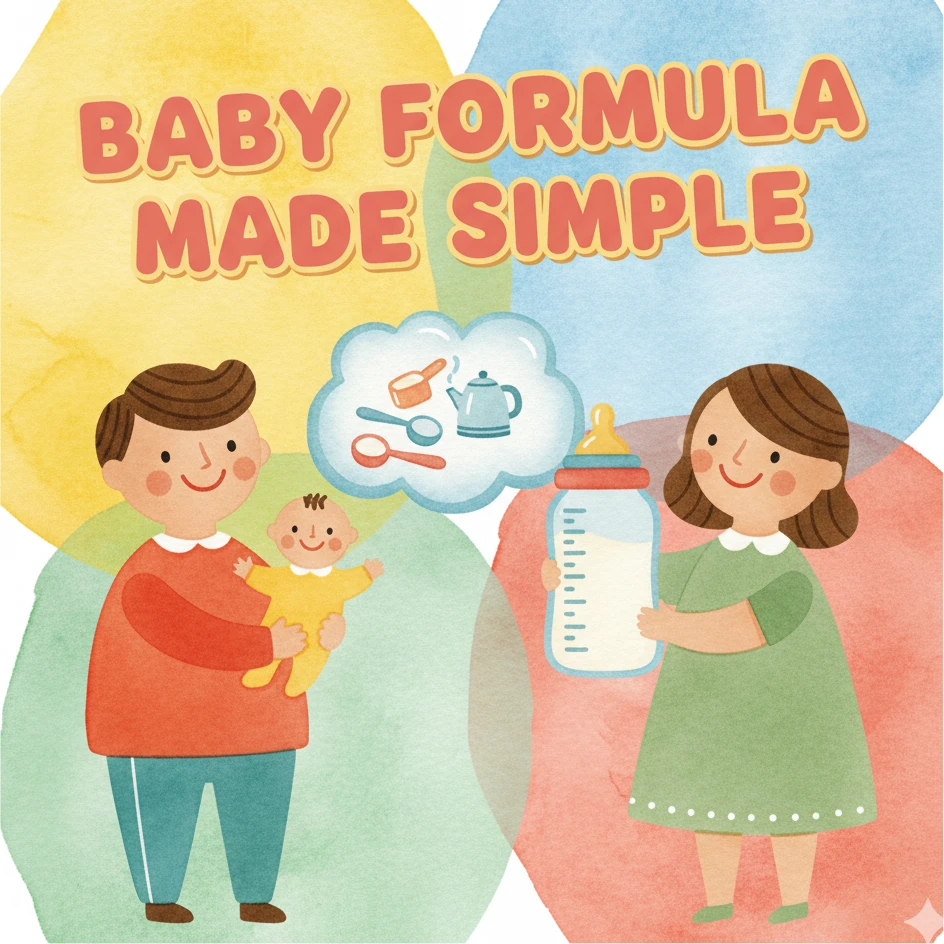
Baby Formula Made Simple: How to Choose and Prepare

Commercial infant formula is designed for babies under 12 months. Toddler drinks are not a substitute for infant formula, so start by checking the intended age on the package. Your pediatrician can help you decide which formula is appropriate and how it fits into your baby’s feeding routine.
That conversation is particularly important if your baby was born prematurely or has an allergy or medical condition. Specialized formulas may be recommended in certain circumstances, but a label alone can’t tell you which option is right for your baby.
Before buying, read the age range and directions. If another caregiver will prepare bottles, make sure they know which product you use and where to find its instructions. Small differences between products can matter when it’s time to mix a feed.
Featured in this guide
Baby Formula Made Simple | Ultimate Guide on How to Choose the Right Baby Formula | Digital Download for New Parents, Feeding Beginners, and Caregivers
Many infant formulas are cow’s-milk-based; soy-based and specialized options are also available. No single type is best for every baby. If you’re concerned about feeding or symptoms, discuss a change with your pediatrician.
Formula also comes as powder, concentrated liquid or ready-to-feed liquid. Consider both your baby’s needs and your household’s ability to prepare and store the chosen form safely.
Before opening a package, check its expiration date and condition, as well as the intended age and preparation instructions. Don’t use a product if the package is damaged or the formula has expired. Keep the label handy even after you become familiar with your routine.
For formula that requires mixing, follow the exact water-to-formula ratio on the label. Adding extra water to make formula last longer can be harmful. Ready-to-feed formula is used without adding water, but you should still follow its package directions.
Wash your hands, clean feeding equipment, and follow current CDC guidance for preparation and storage. A clear workspace can make measuring easier; our Premium Checkered Kitchen Cleaning Cloths are a reusable option for general kitchen cleanup. Cleaning cloths do not replace washing and, when appropriate, sanitizing feeding equipment.
Do not make homemade infant formula. Commercial formula is subject to nutritional and safety requirements, while homemade recipes can pose serious risks. The FDA’s infant formula resources provide more information. If your baby has persistent feeding difficulties or concerning symptoms, contact a healthcare professional rather than trying to solve the problem with a homemade recipe.
Think about who will prepare bottles, where feeds will happen and whether you’ll have clean equipment and the water needed for your chosen formula. Make sure everyone caring for your baby knows which product to use and how to follow its directions.
Before choosing, compare the product details with your daily routine, available space, care needs, and preferred setup. The strongest option is usually the one that fits the intended use clearly and remains simple to clean, store, and check before repeat use.
It is also worth checking measurements, material notes, included parts, and compatibility details so the item matches the way it will be used after delivery.
Manufacturing location varies by product. Check the package or contact the manufacturer, since a brand’s home country doesn’t necessarily indicate where every product is made.
Some families used recipes based on evaporated milk, water, and sugar, often following advice available at the time. These historical recipes are not a safe substitute for today’s commercial infant formula.
Some formulas are manufactured in the United States, but locations can vary by product and change. Check the specific package or contact the manufacturer for current information rather than relying on the brand name.


Leave a comment