Toy Age Recommendations: A Smart Parent’s Guide
Start with the Age Label
A manufacturer’s recommended age range can reflect a toy’s safety features, complexity, and intended use. Treat it as a starting point, not a guarantee that the toy will suit every child. Read the warnings and instructions as well, including any guidance about assembly and adult supervision.
Consider who else might reach the toy. A building set intended for an older child, for example, may contain pieces that are unsafe for a younger sibling. A child’s age also does not tell you everything about their skills or interests. One preschooler may enjoy a construction challenge while another prefers pretend play or movement.
If you are unsure about a toy, compare its demands with what your child can comfortably do now. The CDC’s developmental milestones can provide helpful context, though children develop at different rates.
Match Toys to Skills and Interests
Educational play can be as simple as reaching for a textured toy, stacking blocks, inventing a story, or learning the rules of a game. Choose something inviting without creating unnecessary frustration.
For babies, consider age-labeled sensory toys and check for small parts. Toddlers may enjoy sturdy toys for stacking, movement, or simple pretend play. Preschoolers may gravitate toward construction and imaginative activities, while school-age children might enjoy games and more complex projects.
These are broad ideas, not substitutes for safety instructions. Offer help when an activity is new, and adjust the challenge if your child seems frustrated or loses interest.
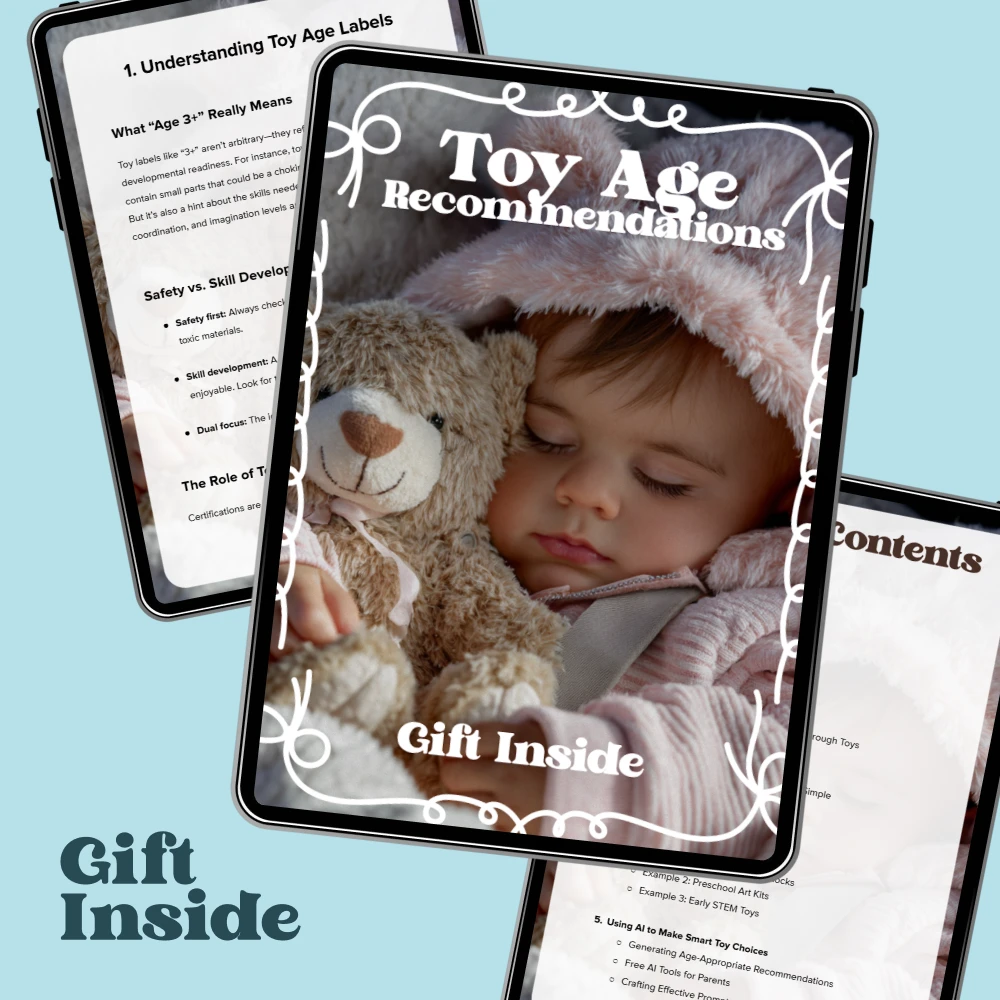
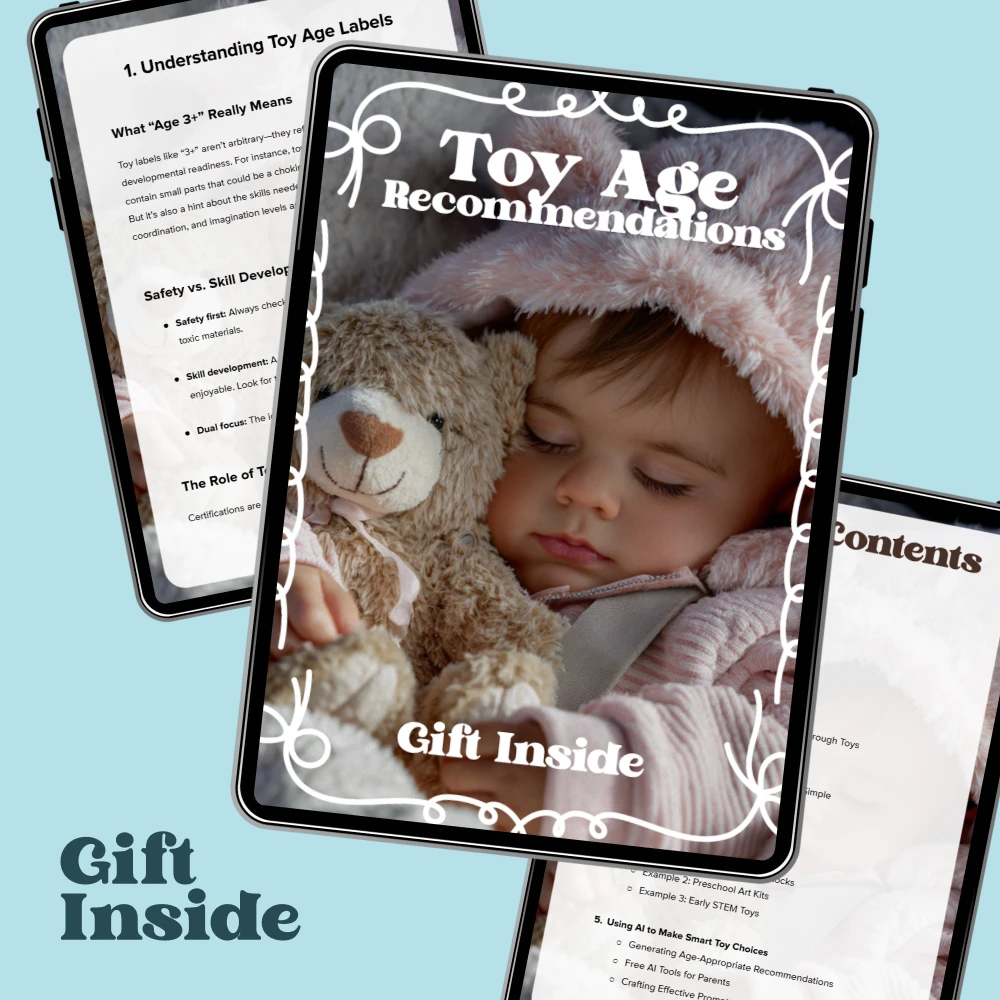
Toy Age Recommendations | Smart Parent Guide to Toys Age Recommendations | Printable eBook for Safe & Educational Play
View product
Make Safety Part of the Routine
Look over toys regularly for broken edges, loose parts, damage, and accessible batteries. Remove unsafe items from play until they can be safely repaired or disposed of. Small parts can pose a choking hazard for young children, so store older children’s sets separately where younger siblings cannot reach them.
Follow the manufacturer’s assembly and supervision instructions, and check for recalls. The U.S. Consumer Product Safety Commission’s toy safety resources offer additional guidance and recall information.
Keeping the play area tidy can make it easier to spot misplaced pieces. Our Premium Checkered Kitchen Cleaning Cloths are a reusable option for wiping suitable surfaces after play. They are cleaning supplies, not toys; keep them and any cleaning products out of a young child’s reach.
Use Our Printable Guide When Choosing Toys
Our team offers the Toy Age Recommendations printable eBook as a resource for parents considering safer, educational play. Consult it before shopping, organizing a play space, or choosing a gift for a child whose interests you are still getting to know.
Use the guide alongside the specific toy’s label and instructions.
Keep Play Flexible as Children Grow
You do not need to replace every toy at each birthday. A familiar set of blocks may become part of a more elaborate project, while a once-loved toy may be ready to pass along.
If it helps your family, rotate a manageable selection and store the rest safely. No fixed toy count makes a play area safe; condition, accessibility, and supervision matter more.
Before choosing, compare the product details with your daily routine, available space, care needs, and preferred setup. The strongest option is usually the one that fits the intended use clearly and remains simple to clean, store, and check before repeat use.
It is also worth checking measurements, material notes, included parts, and compatibility details so the item matches the way it will be used after delivery.
Before choosing, compare the product details with your daily routine, available space, care needs, and preferred setup. The strongest option is usually the one that fits the intended use clearly and remains simple to clean, store, and check before repeat use.
FAQ
What is the recommended age range for toys?
There is no single age range for all toys. Check each manufacturer’s recommendation and warnings, then consider your child’s abilities and supervision needs.
What is the 20 toy rule?
The 20 toy rule is an informal approach to limiting the number of toys available to a child. It is not a safety standard; choose a manageable number for your family and focus on safe storage and supervision.
What makes a toy age appropriate?
An age-appropriate toy fits a child’s abilities and interests while meeting the manufacturer’s age and safety guidance. Consider its complexity, small parts, and whether younger children can access it.
See if Toy Age Recommendations | Smart Parent Guide to Toys Age Recommendations | Printable eBook for Safe & Educational Play fits your setup
View product









Leave a comment